An evening is often described through its attractions: dinner, a performance, a rooftop view and perhaps a casino visit. The spaces between them receive less attention. Yet resort public rooms determine where people wait, how they find each other and whether a change of plan feels easy. Those ordinary moments deserve a place in an architectural hotel review.
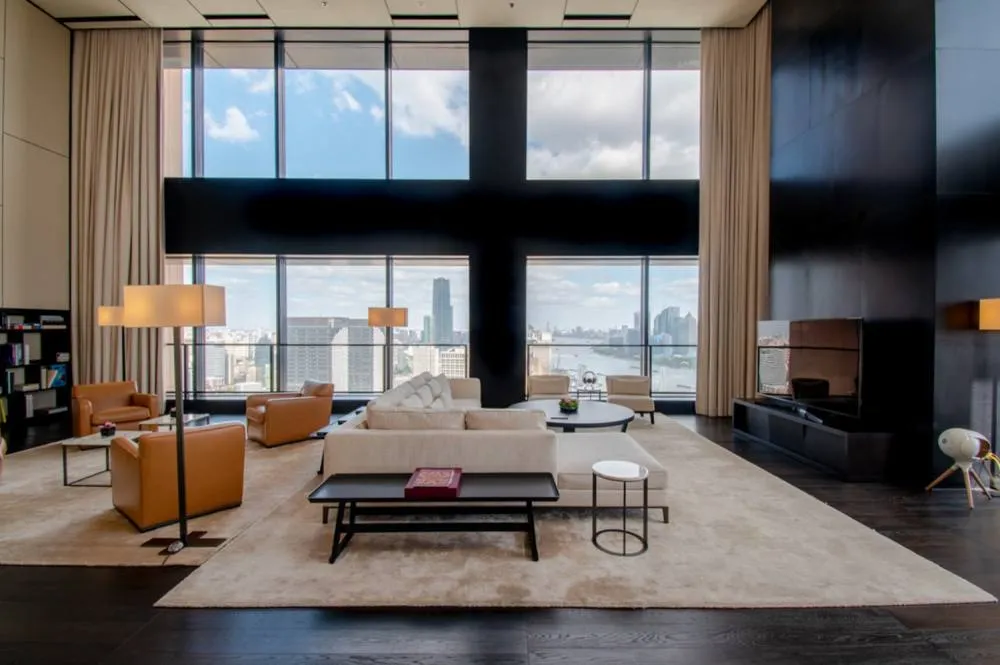
A place to meet
Choose a meeting point that can be described without relying on a photograph. A named reception desk or a clearly identified seating area is easier to find than somewhere near the lifts. Confirm that the place is available at the intended time. A comfortable plan includes somewhere to sit and an alternative if the first choice is busy.
Riviera Sky Hotel’s introduction mentions dining, live shows and rooftop events. That gives an evening several possible directions, without establishing the schedule or access arrangements for a particular date. For October 2026 plans, ask directly about the activities you want to attend. Keep the confirmed meal or performance as the anchor and leave the intervals generous.
Agree before separating
- Name the meeting place and an approximate return time.
- Choose a simple way to communicate a change of plan.
- Make it comfortable for someone to return to the room early.
Read the evening route
Public space works well when movement is legible. A guest should be able to understand the route from dinner to a lounge without repeatedly doubling back. In a high-rise setting, lift changes and separate entrances may be part of that journey. Ask how the destinations connect rather than assuming that two rooftop photographs show neighbouring spaces.
| Space | Useful detail |
|---|---|
| Meeting area | A clear name and somewhere to sit |
| Lift lobby | Signs for the intended public level |
| Quiet lounge | A choice away from the busiest route |
Sound and seating affect the pause between activities. A lively bar can suit one conversation and overwhelm another. A seat in a circulation route may look inviting but feel unsettled as people pass. Look for a place that fits the company at that moment, and ask whether using it requires an order, booking or other arrangement.
The return route matters too. Dinner can run long, a performance can end later than expected and someone may simply feel tired. The arrival review considers clear entrances and handovers. Apply the same clarity to the evening: know which lift or door leads back to the guest rooms before everyone goes in different directions.
An optional table visit
A first visit to a gaming area can begin with questions rather than a wager. Ask staff about entry requirements, the rules of the particular table and where observation is appropriate. The site’s existing age statement does not answer every practical access question. Confirm the conditions for the venue and visit instead of inferring them from a general resort description.
- Decide beforehand whether the visit is for observation or optional paid play.
- Ask about the table’s rules and displayed limits before taking a place.
- Keep the agreed ending independent of the result of any game.
A companion can enjoy dinner and choose a different activity afterwards. That does not require a complicated explanation or a shared spending target. Separating travel money from any optional entertainment allowance keeps the evening’s practical needs clear. No result should become a reason to delay the meeting time or attempt to recover money already spent.
Digital leisure raises related questions in a different setting. The screen record article explains why a returned amount and a net change are different. Neither a demo nor a table visit needs to define the whole trip. Resort public rooms are valuable partly because they offer somewhere to pause, talk and decide what the next hour should contain.
Author’s opinion
I judge an evening layout by how easily someone can change their mind. Clear routes, ordinary seating and an agreed meeting point make separate interests feel natural. A memorable resort evening might include a casino, but it can also finish after a good meal and a conversation. Design serves guests best when each of those endings remains comfortable.
Author: Evadney Rowan Saltcrest. Publisher: Riviera Sky Shared Spaces Quarterly.